Korean Dream Meanings · Free
What did you
dream about?
Explore traditional Korean dream interpretation (해몽). Pick a symbol to see what it means — some of the luckiest dreams surprise people.
How this dictionary was builtHow this is calculated
What the list is made of
What you are scrolling through is a written dictionary of 41 entries, prepared in advance. Snake, pig, feces, teeth falling out — each one carries a name and a meaning in Korean, Japanese and English, and opening a card simply shows you one of those three. Nothing is being translated on the fly either.
There is no step that writes the text. Nothing here calls a language model and nothing goes out over the network; the data file says so at the top. That means two people who look up the same symbol read the same words, and the same words are there tomorrow. It also means you are not being handed something inoffensive that was assembled for the occasion.
There used to be a hundred entries. It was cut to 41 on 4 September 2026, and what went were the symbols nobody dreams of and remembers — a clock, a bag, an umbrella. What the survivors got in exchange is the situational reading described below: 211 of them across the 41 entries.
The order is fixed as well. With the search box empty, the page returns all 41 entries in the order they are written in the file — not by popularity, and not by what we would rather you clicked.
Where the readings come from
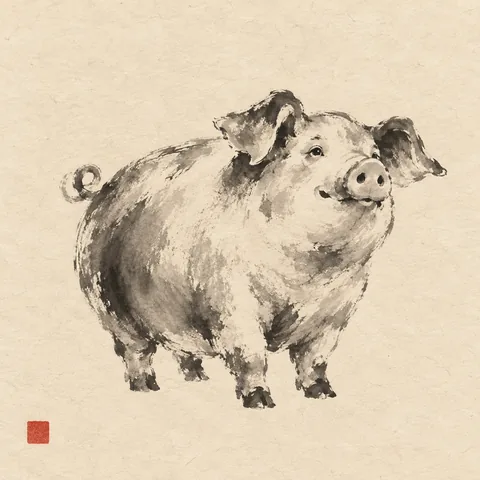
The dictionary collects dream readings as they are told in Korea. The data file says so in a line at the top, and eleven entries name Korea again in their own text — snake, pig, feces, blood, death, grave and wedding among them. What it does not carry is a source for the tradition itself: no book, collection or teller is cited anywhere. Laying the entries side by side makes the slant plain enough. The pig entry calls it the most representative lucky dream in Korea and ties it to wealth and business gain. Feces is a money dream too, and more of it is better — that entry opens by admitting the reading is surprising. Death is not read as an omen of death but as rebirth: the end of an old phase and a fresh start.
The cat sits on the caution side, because its text says a cat often hints at a clever or two-faced person, or quiet jealousy nearby.
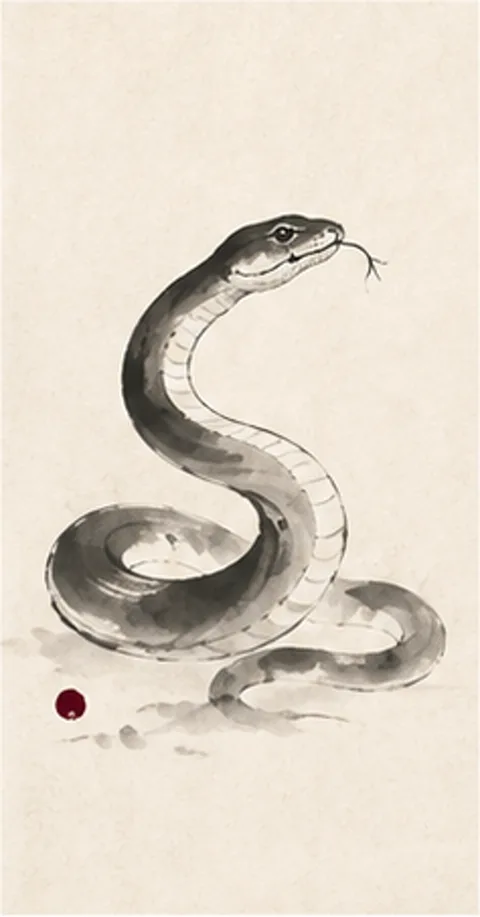
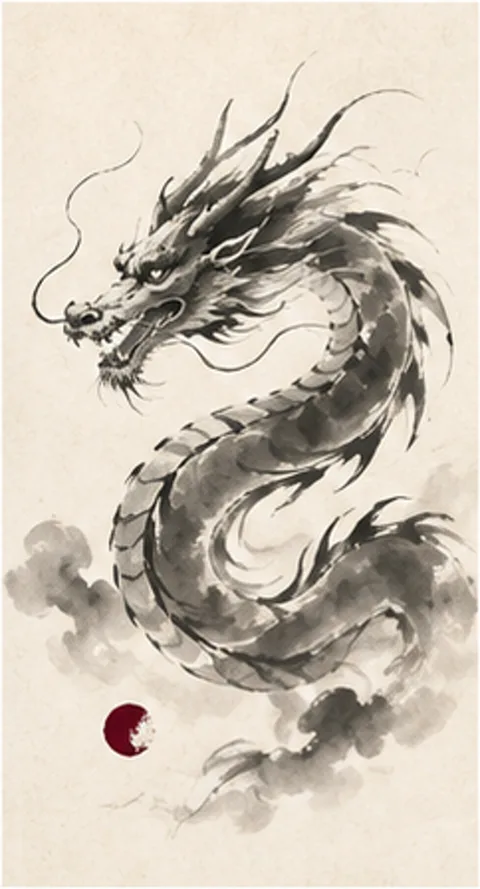
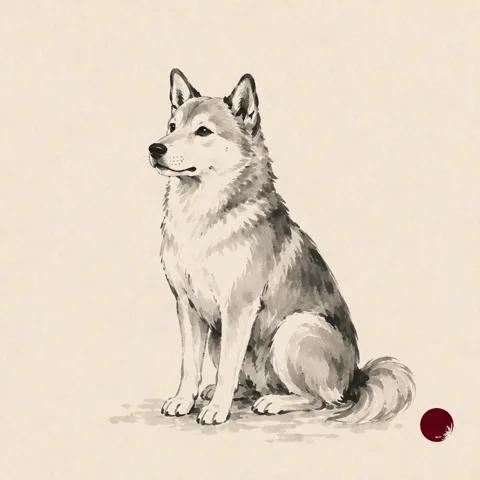
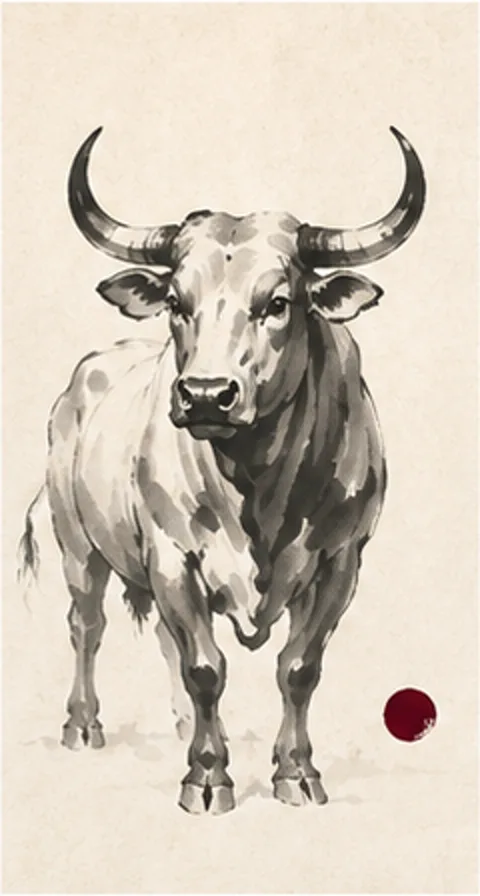
The conception dream — the dream that foretells a child — runs through nine entries: snake, pig, dragon, tiger, fish, dog, cow, pregnancy and spider. It is not a separate field in the data; it lives inside the meaning text, which is why you will not find a filter for it. Eight of the nine carry the Lucky badge and the spider carries Depends. Conception dreams have a page of their own.
The same symbol, read by what happened
A pig dream is not one dream. Riding one, being bitten by one, a whole herd of them — the tradition has always read those differently, and this page used to flatten them into a single paragraph. Each symbol now separates 4 to 9 ways, 211 readings in total.
Every one of them is written as what Korea has said about the symbol, never as what will happen to you. That is a rule about how the copy is written, and it applies here — on a free page — exactly as it does on the paid ones.
Three labels, and where the split comes from
There are only three badges. The data holds three values and this page shows them as Lucky, Caution and Depends; the card you open spells the same three out as Lucky dream, A caution and It depends. No five-point scale, no score. Of the 41 entries, 16 are Lucky, 17 are Depends, and 8 are Caution. The 8 are Teeth falling out, Being chased, Falling, Ghost, Cat, Being naked, Car accident, Falling into water.
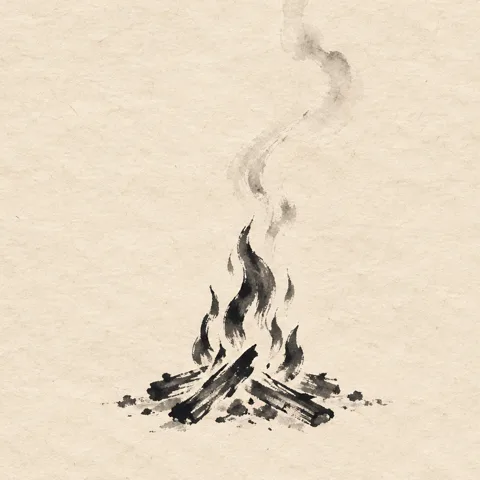
Which symbol gets which badge is a call we made, and it is written into the data file rather than buried. It is coarse, and we have left it coarse on purpose, because the actual reading turns on the details of the dream. Catch the snake and the lucky sense strengthens; run from it and it is a rival or a worry. A large bright fire is prosperity, a small smoky one is depletion. Clear water is luck, muddy water is confusion.
So the badge belongs to the symbol, not to the dream you had last night. Each badge is a value written by hand onto the entry; nothing in the code derives it from the reading. That is why the two examples just given still show Lucky — the snake and the fire both reverse on a condition, and both are filed as Lucky anyway. Those conditions live in the situational readings, not in the badge — treat the badge as a signpost at the entrance and read the rest.
Searching in kana, and what this cannot do
All 41 Japanese names contain kanji. 13 are kanji and nothing else — 蛇, 豚, 水, 火 — and the other 28 keep kanji at the core: 歯が抜ける夢, 落ちる夢. That is right for display, but people search in kana, and only 糞(うんち) carries its own reading inside the name. For every other entry, typing the reading in kana matches no name at all — へび against 蛇 is the plain case. All 41 entries therefore carry a separate table of readings, which the search checks alongside the names.
The search compares five things: the slug used in the address, the lowercased English name, the Korean name, the Japanese name, and the readings table. Katakana is folded to hiragana for the readings check only — the other four see exactly what you typed. So ヘビ folds to へび and finds 蛇, but a run of kana sitting inside a name has to be typed in hiragana: ぬ夢 finds 死ぬ夢 and ちゃん finds 赤ちゃん. 17 symbols have more than one reading — feces answers to うんち, ふん and だいべん; the teeth entry to は and はがぬける — and any of them finds the card.
The table holds readings only, with no synonyms added, because matching is a substring test and the broader the word the less it narrows anything. Typing the single character 夢 returns 26 cards; typing は alone returns 5. Stopping the table at readings is what keeps that from spreading further. All of the matching happens inside your browser; what you type is not sent anywhere.
And the dictionary is 41 entries. If your dream is not among them, the page will not invent a plausible reading for you. It says it found nothing — and then offers to look the word up, which is the one thing here that does leave your browser, and only if you tap it. What we find for it in the traditional readings is added to the dictionary within a day. Everything else it hands you is a sentence written in advance. It never asks for a birth date, so nothing here has any connection to your chart — if that is what you came for, the calculated side of the site is written up below.
Separately from dreams — read the full rules the chart engine follows →