Korean traditionDrawn from traditional Korean material, looked up rather than computed.

Korean conception dreams · Free

A dream came
before the child

In Korea a dream around the time a child is conceived is kept and retold for the rest of that child's life. It is called a taemong. What appeared in it is read two ways — for whether the family expected a son or a daughter, and, the part people remember, for the kind of person the child was said to be.
Traditionally read as a son

Read this way in most households — but read the third group before you settle on it.

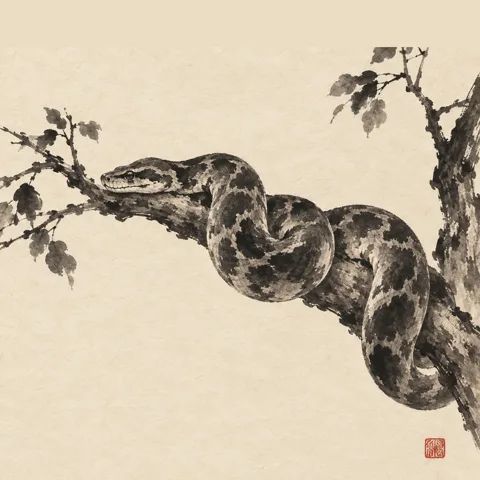
A large snake (gureongi)

The most valued of the snake dreams. Read as a child of unusual capacity — wise, wide in the shoulders, the one a family is built around. The thicker and longer the snake, the larger the reading.

Where the reading comes from A gureongi living under the floor was spoken of as the guardian of the house, so it arrives in a dream as something that protects rather than threatens.

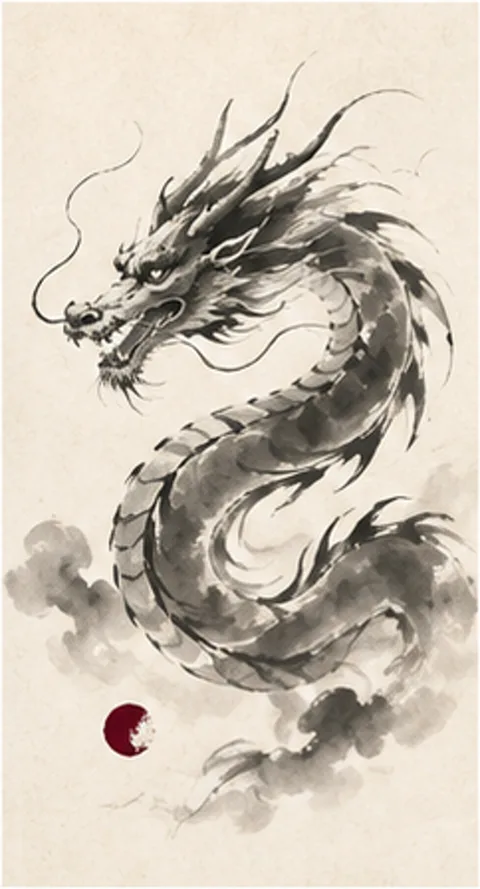
A dragon

The one families tell for decades. Read as a child of rare standing — someone whose name travels beyond the household. A dragon rising into the sky was counted the highest form.

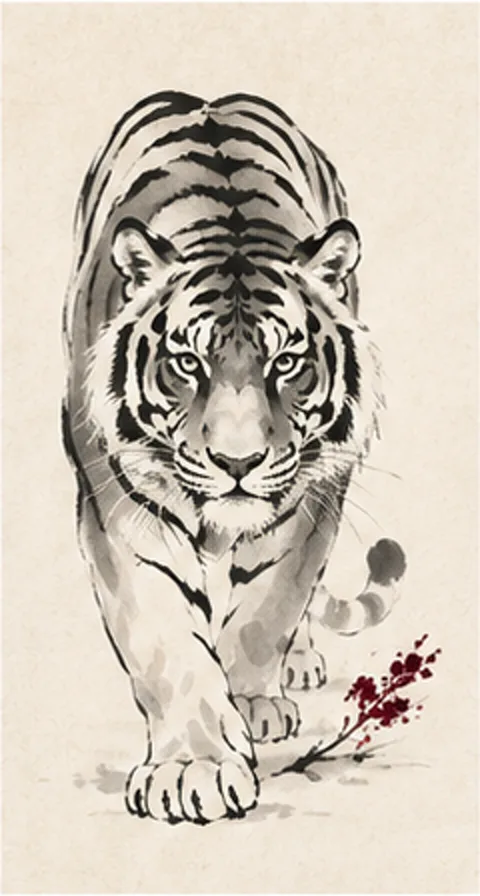
A tiger

Read as nerve and a straight back — a child who does not bend easily and says what they think. A white tiger was counted rarer and higher still.

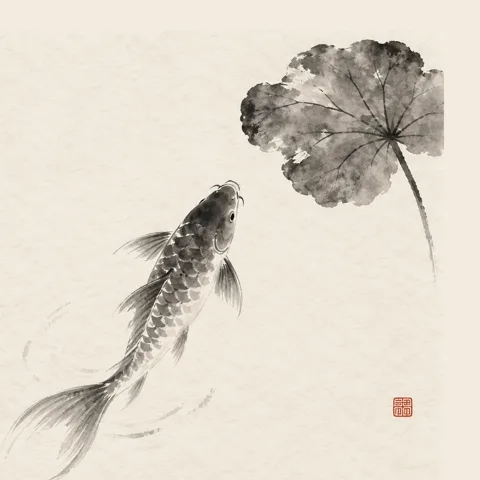
A carp, or a large fish

Read as a child who rises by their own climbing — study, examinations, a name made rather than inherited. The bigger the leap in the dream, the larger the reading.

Where the reading comes from From the old story of the carp that climbs the dragon gate and becomes a dragon — which is why this dream and the dragon dream are spoken of as neighbours.

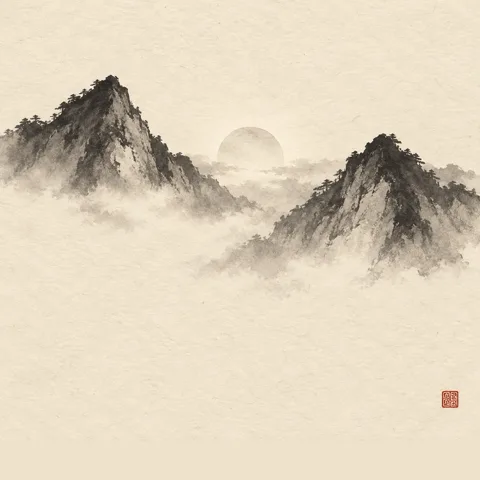
The sun

Read as a child who ends up where people can see them. Taking the sun into your arms or swallowing it was the form counted highest.

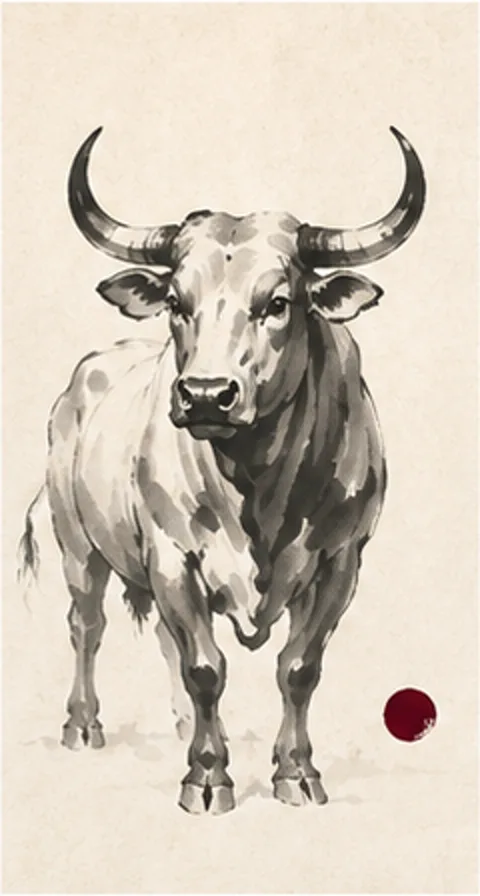
An ox

Read as steadiness rather than brilliance — a child who finishes what is started and whom a household can lean on. Not a small reading: the ox was the most valuable thing most families owned.

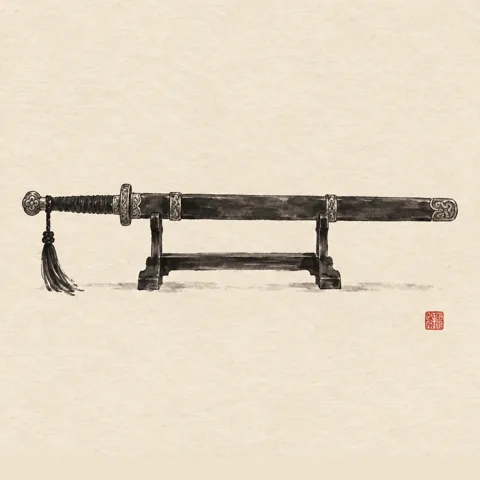
A sword or a blade

Read as decisiveness — a child who draws a line and keeps to it. Receiving the blade into your hand was said to pass that temper on. Older readings tied it to work that handles an edge: soldiering, medicine, the law.

Traditionally read as a daughter

The same caution applies. These are the readings families passed down, not a determination.

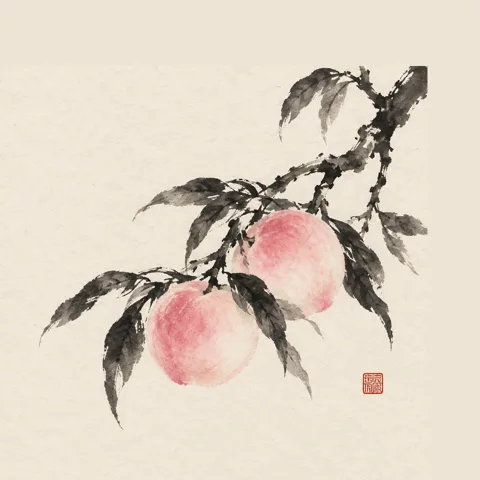
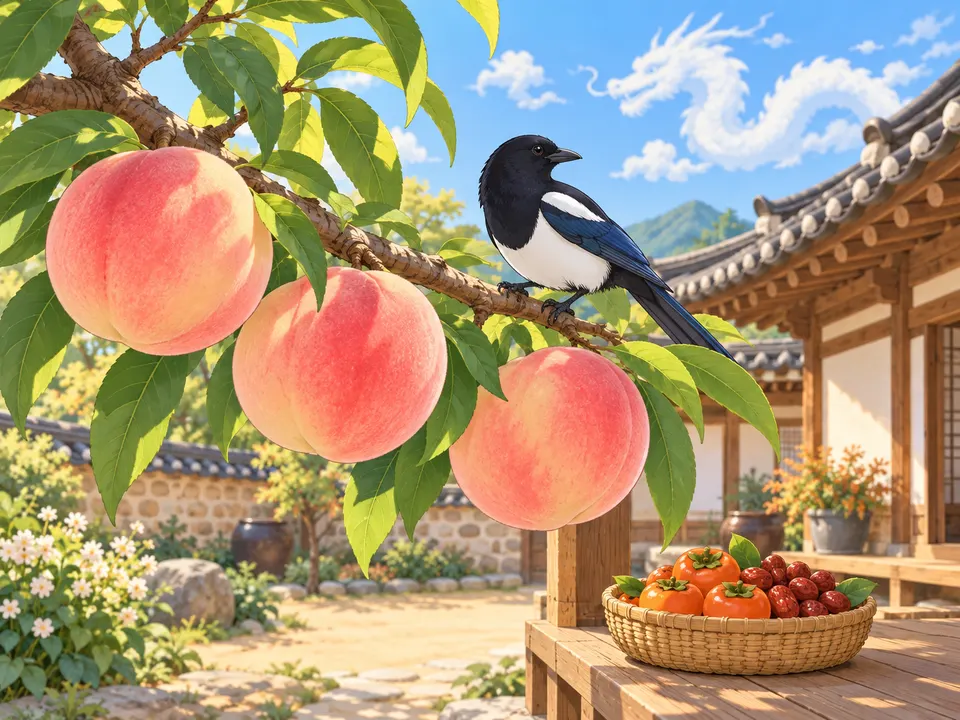
A peach

Read as a child who is loved easily — fine-featured, warm, welcome wherever she goes. The riper and better-coloured the fruit, the better the reading, and picking one out to hold was the form counted highest.

Where the reading comes from The peach is the old fruit of long life in East Asian stories, so the reading carries health in it as well as looks.

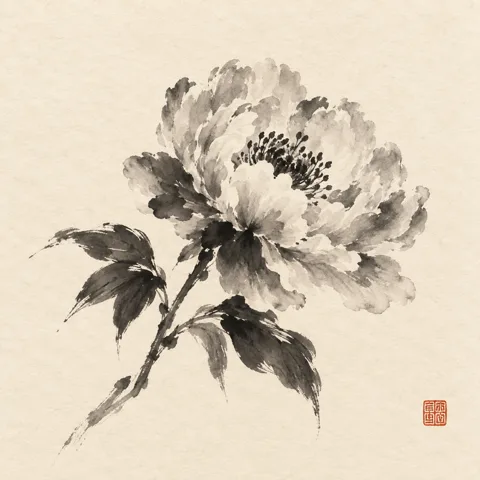
Flowers

Read as a child people gather around. A single flower picked out was read as one clear gift; a field of them as a life with a lot of company in it.

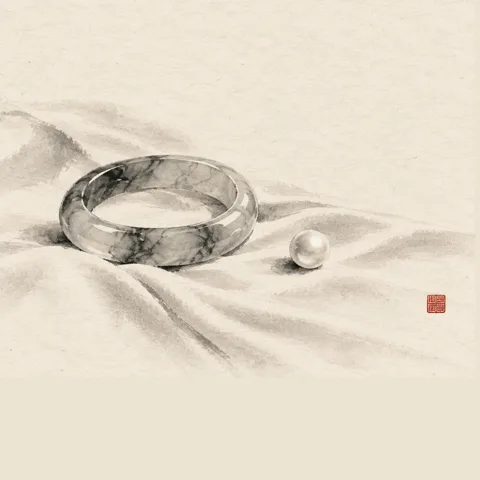
A ring or a jewel

Read as a child who was hard to come by and is worth the wait — the word families use is 귀하다, precious in the sense of rare. Receiving it from someone was counted stronger than finding it.

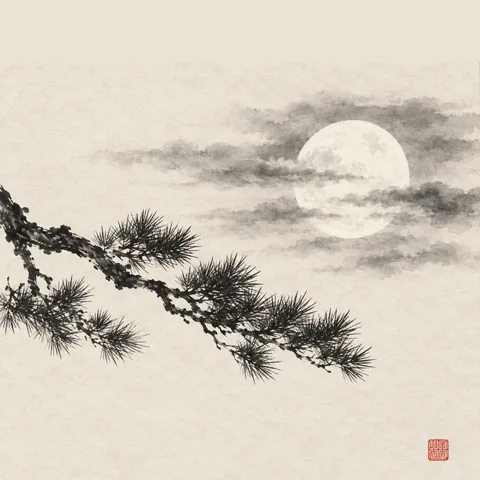
The moon

The counterpart to the sun. Read as a child of quiet judgement — someone people come to for an answer rather than someone who announces one. A full, clear moon was the better form.

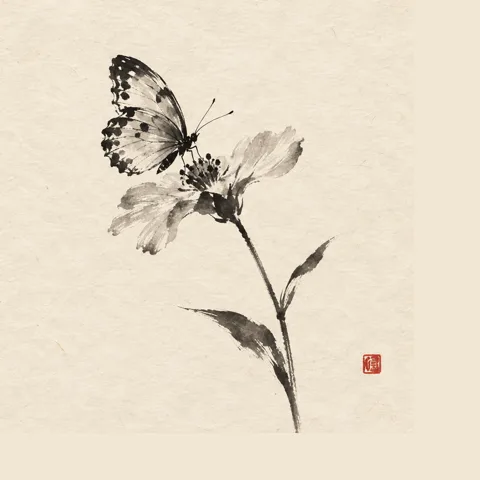
A butterfly

Read as lightness in the good sense — a child who moves easily between people and places and is not weighed down by much.

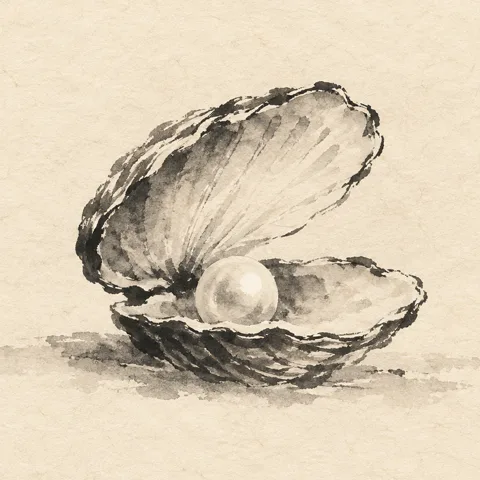
A shell or a pearl

Read as a child who holds something valuable inside and does not display it — the gift shows late, and to the people who look properly.

Families disagree on these

The most honest group on this page. Where the tradition contradicts itself, the thing to do is ask your own family which way they read it.

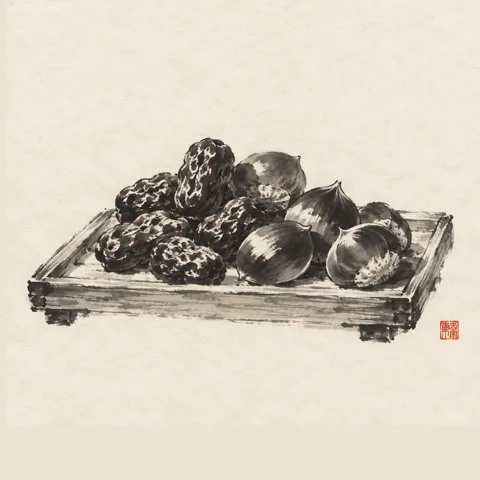
Jujubes and chestnuts

Read as a house that will not run short of children. Many households read jujube as a son and chestnut as a daughter; others read the pair together and did not split them. The more you gathered, the larger the reading.

Where the reading comes from The same pair the parents-in-law throw at a Korean wedding for the couple to catch — the dream and the custom come from one root.

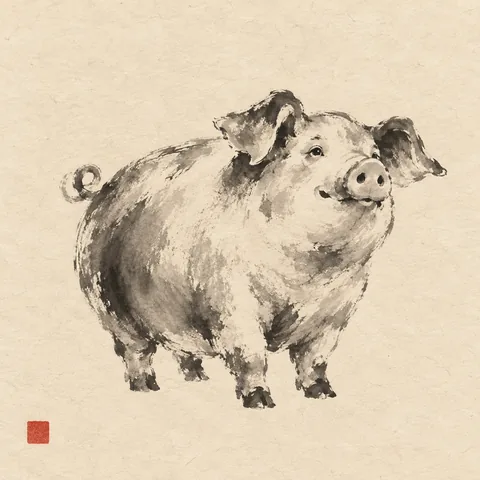
A pig

Read as a child who will not want for much — the household eases after they arrive. Many families read a pig taemong as a daughter and just as many do not, so this is one to ask your own family about.

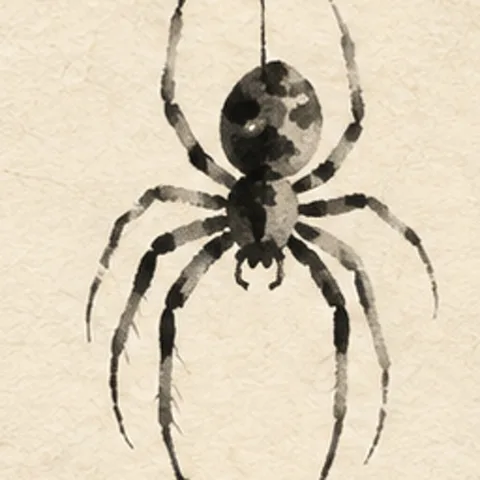
A spider

Read from the web rather than the animal: a child who builds their own thing, thread by thread. Neat-handed, patient, finishes what they set out to. The spider is also a money symbol, so a household's fortune is read into it too.

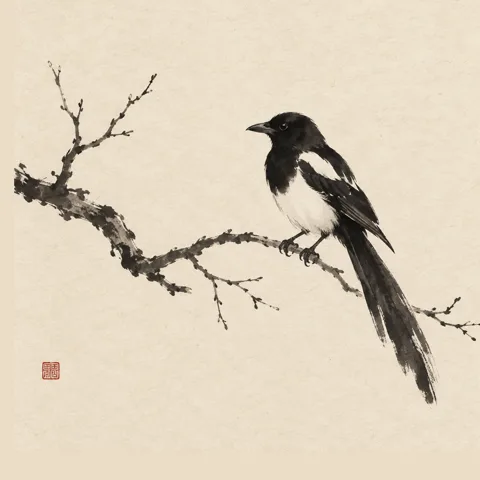
A bird

Read by which bird it was. A crane or a magpie was counted a good sign and a talent that carries; a small bird landing on you was read as news arriving.

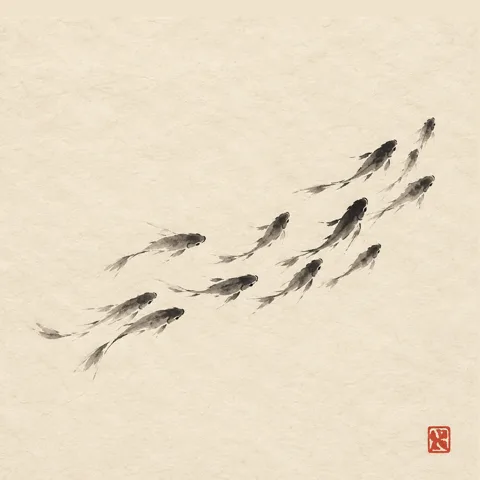
A small or brightly coloured fish

Where the fish dreams split. A big carp is read as a son almost everywhere; a small or many-coloured fish is where families stop agreeing. Several fish together was read as more than one child.

Clear water — a spring or a stream

Read as a child with a calm nature and a source of their own. Water welling up by itself was counted better than water found — something that keeps giving rather than something received once.

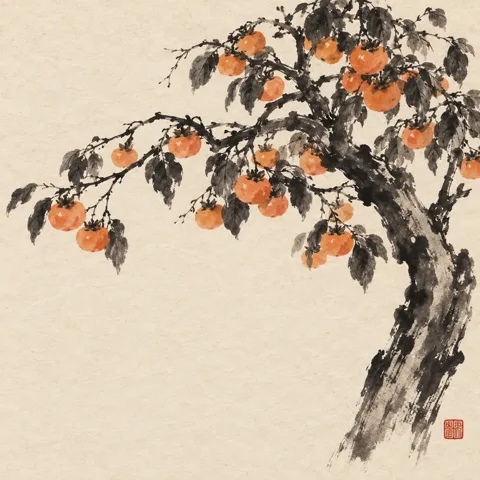
A tree heavy with fruit

Read as a life that yields — work that comes to something, and a household that gathers around it. Picking one fruit and holding it was read as one child; a whole tree, as a family.