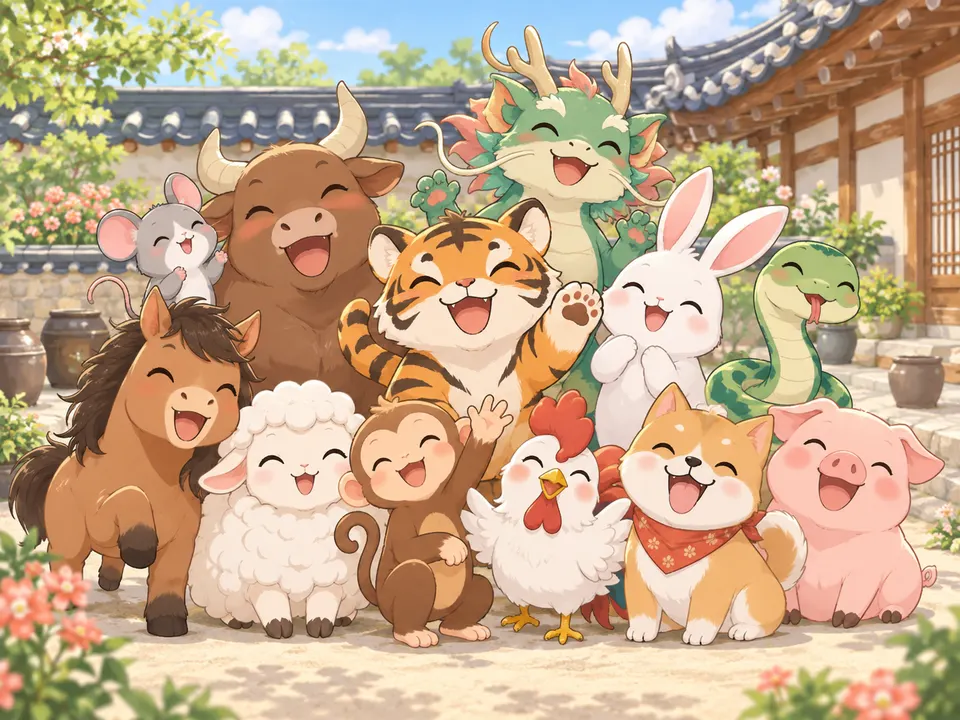
Korean zodiac
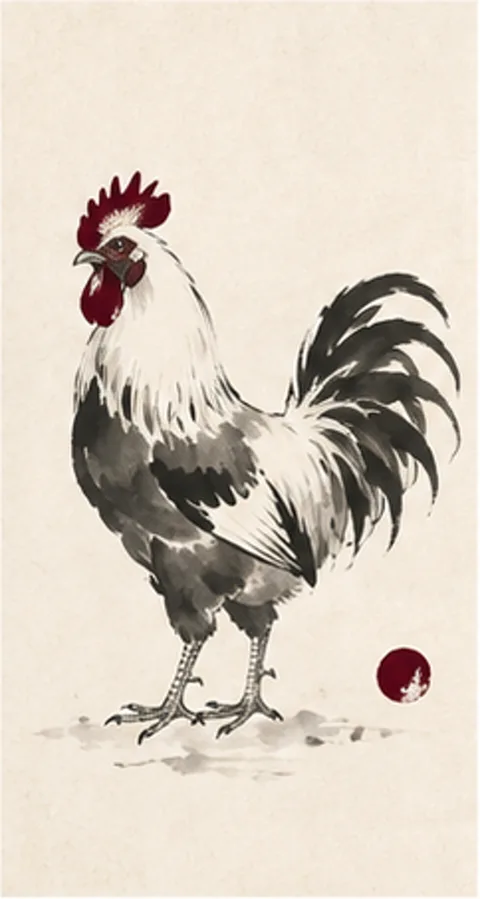
酉 Rooster
Sharp, honest, and proudly precise.
Rooster years make the one who says it on time.
酉 (Yu), the Rooster, is tenth in the cycle. It stands for the eighth month of the old calendar, mid-autumn and harvest, and the hours from five to seven in the evening when the day is being counted and closed. Its direction is due west, where the sun sets, and its element is Metal, the finished, ringing kind. The Rooster is read as punctuality and clear speech: the animal that announces the hour. In Korean folklore the rooster's cry at dawn sends ghosts and spirits back to where they came from, which is why so many old tales end with a crow at first light.
Say one thing today exactly when it is due, not later and not softened: the thanks, the correction, the reminder. Rooster energy is said to show in timing, so notice how much easier the right moment makes the words.
Rooster years are traditionally said to sit well with Ox (丑) and Snake (巳), the Metal harmony group, and to clash with the Rabbit (卯) across the circle. Old pairings to hold against real friendships, not rules.
In Korean the Rooster year is 닭띠 (dak-tti). The proverb 닭 쫓던 개 지붕 쳐다본다 (dak jjotdeon gae jibung chyeodabonda), "the dog that chased the chicken stares at the roof," describes someone left empty-handed. A Korean rooster says 꼬끼오 (kkokkio), and in old stories its cry is what makes the night things leave.
Roosters notice every detail and say what they see. Hardworking and candid, they set a high bar and clear it. Their lesson: softening the delivery so honesty lands as care, not critique.
Born in
1933 · 1945 · 1957 · 1969 · 1981 · 1993 · 2005 · 2017 · 2029
The zodiac year turns at 입춘 (early February), not 1 January.
Three-harmony group · Metal three-harmony group
What comes easily
You are good at giving shape to vague plans, spotting weak points, and keeping promises after excitement fades.
What to watch
High standards can turn into sharp self-criticism or make other people's slower pace feel careless.
One thing to try
Keep the standard, but separate what must be exact from what only needs to be finished and shared.
Gets on with
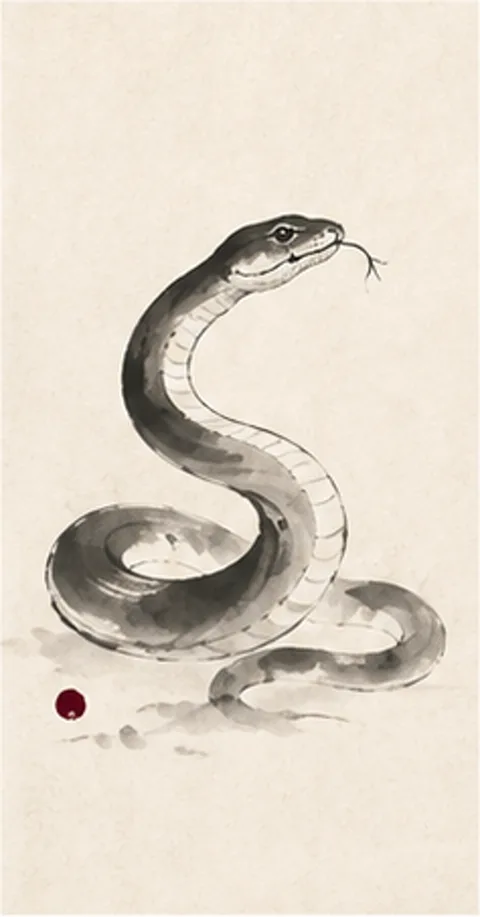 Snake
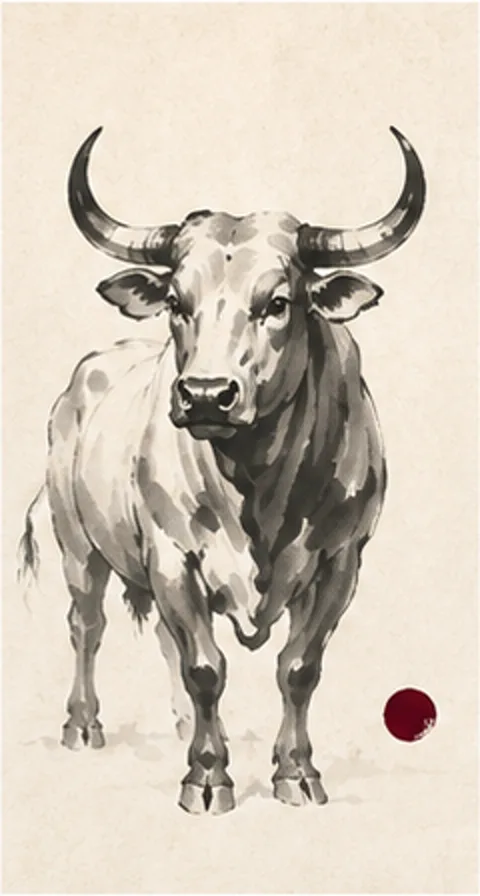 Ox
Tradition calls this 삼합 (three harmonies): the three animals four places apart on the circle. Snake and Ox are in your group, so the three of you tend to pull the same way.
Grinds against
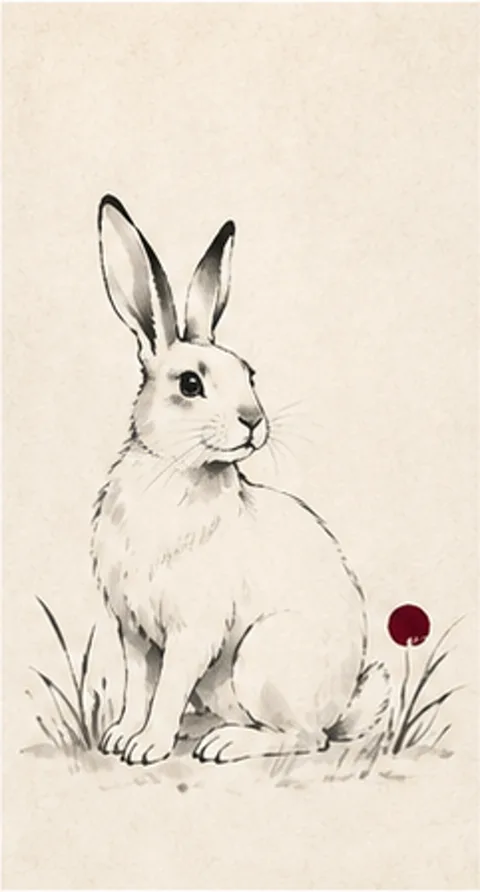 Rabbit
This is 충 (clash): the animal straight across the circle, six places away. It does not mean bad luck. It means two different speeds, and things go better when they are talked through.
Idols born in a Rooster year
- 1993
- Suga (BTS)
- 2005
- Nina (NiziU)HARUA (&TEAM)TAKI (&TEAM)Pharita (BABYMONSTER)Ni-ki (ENHYPEN)
From the members of the 17 groups on the idol birthday page. Members born from 1 January to 20 February are left out: depending on whether the year turns on 1 January, on Seollal or on 입춘, their animal can be the one before.
Whose birthday is closest to yours? → Rat
 Tiger
 Dragon
 Horse
 Goat
 Monkey
 Dog
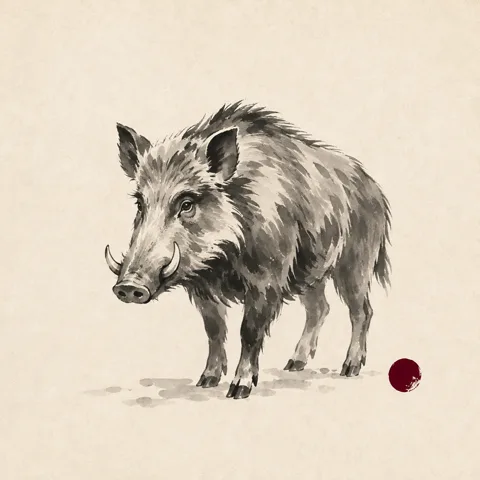 Pig