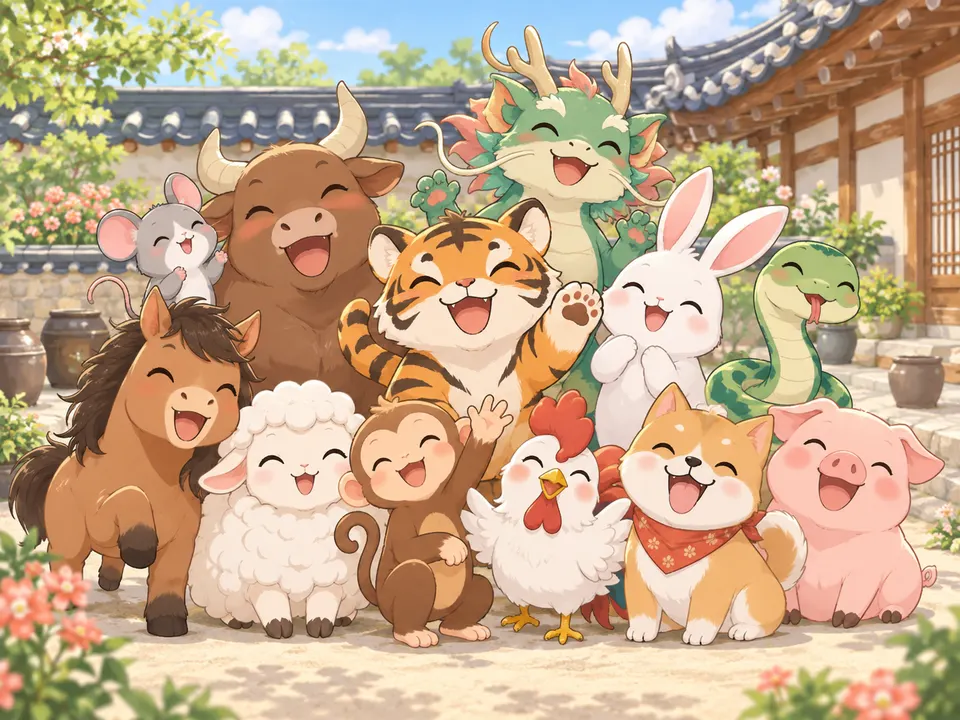
Korean zodiac
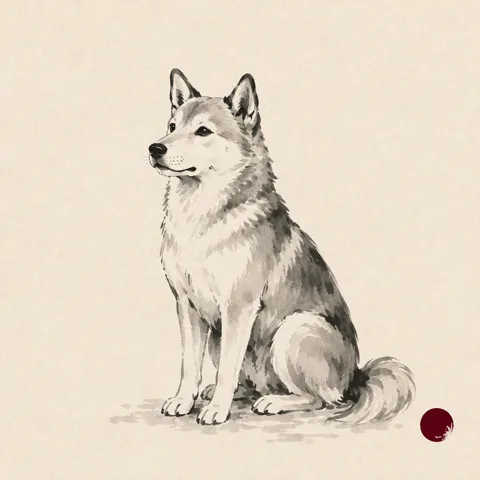
戌 Dog
Loyal, fair, and fiercely protective.
Dog years make the one who stays when it gets hard.
戌 (Sul), the Dog, is eleventh in the cycle. It stands for the ninth month of the old calendar, late autumn when the fields are bare, and the hours from seven to nine in the evening when the house is closed for the night. Its direction is west by northwest and its element is Earth, the kind that holds what autumn gathered. The Dog is read as loyalty and watchfulness: the one at the gate. In Korea the dog has guarded farmhouses for as long as there have been farmhouses, and the native 진돗개 (Jindo dog) is famous for finding its way home across great distances.
Check on one person today who went quiet, not because they asked but because you noticed. Dog energy is said to show in staying, so see what one unprompted message does.
Dog years are traditionally said to sit well with Tiger (寅) and Horse (午), the Fire harmony group, and to clash with the Dragon (辰) across the circle. Old pairings to compare with real friends, not predictions.
In Korean the Dog year is 개띠 (gae-tti). The proverb 개 팔자가 상팔자 (gae palja-ga sang-palja), "a dog's lot is the best lot," is said half in envy when someone is lying around with nothing to do. 팔자 (palja) literally means "eight characters," the same eight characters as your Saju chart.
Dogs stand by their people and can't abide unfairness. Sincere and dependable, they give trust once and keep it. The work: quieting the inner worrier and believing things can go right.
Born in
1934 · 1946 · 1958 · 1970 · 1982 · 1994 · 2006 · 2018 · 2030
The zodiac year turns at 입춘 (early February), not 1 January.
Three-harmony group · Fire three-harmony group
What comes easily
Your warmth becomes momentum: when a purpose feels real, you can rally people and move a stalled situation.
What to watch
Speed and conviction may make a pause feel like defeat, even when listening would improve the result.
One thing to try
Before the next bold move, ask one trusted person what you may be missing and use the answer as fuel, not a brake.
Gets on with
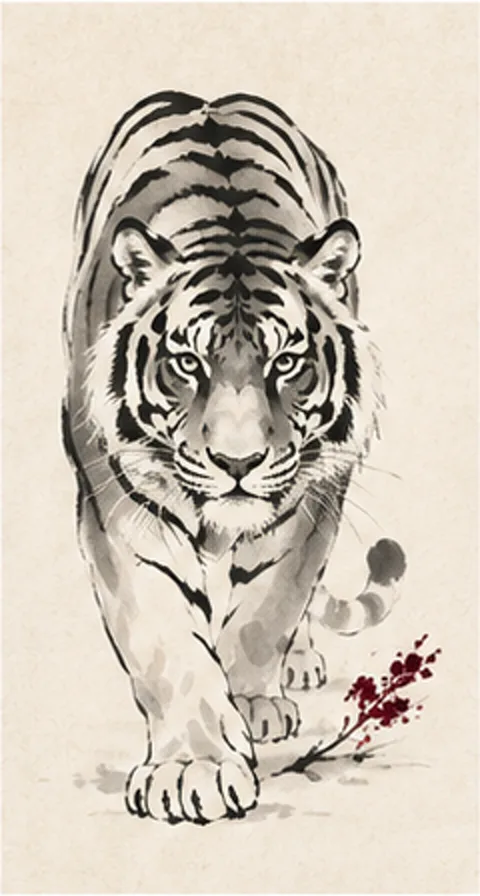 Tiger
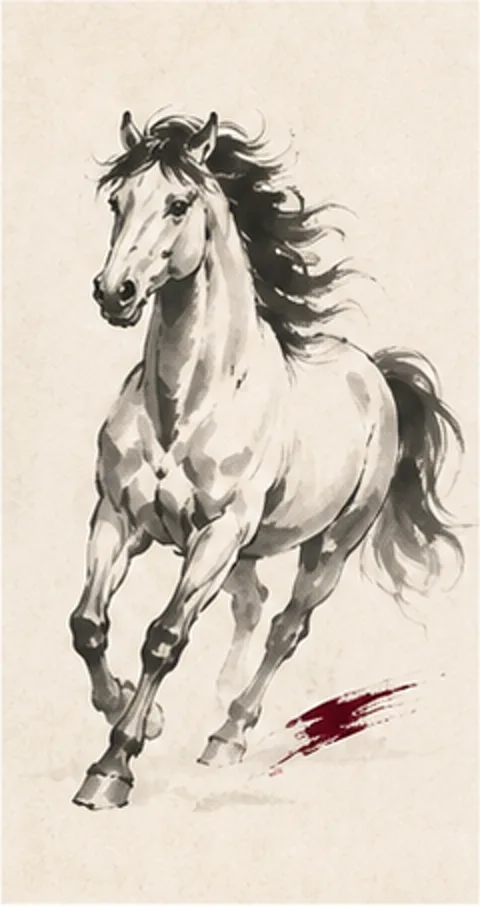 Horse
Tradition calls this 삼합 (three harmonies): the three animals four places apart on the circle. Tiger and Horse are in your group, so the three of you tend to pull the same way.
Grinds against
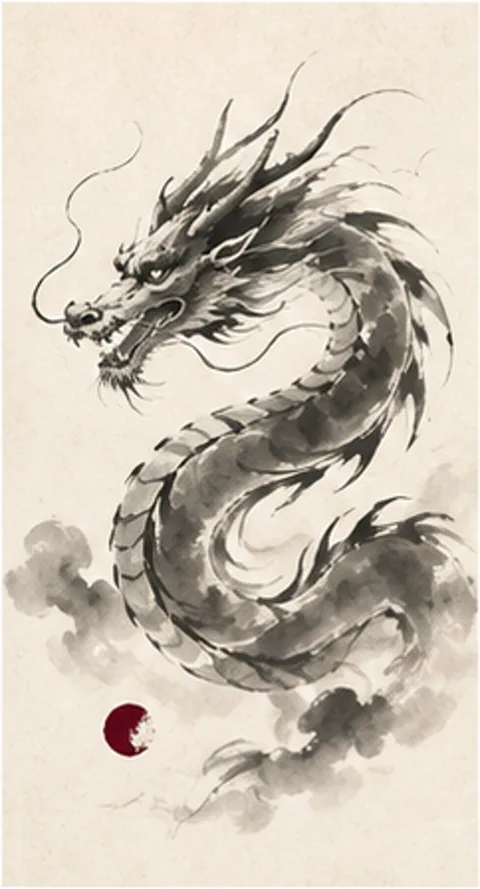 Dragon
This is 충 (clash): the animal straight across the circle, six places away. It does not mean bad luck. It means two different speeds, and things go better when they are talked through.
Idols born in a Dog year
- 1994
- RM (BTS)
- 2006
- Asa (BABYMONSTER)Hong Eunchae (LE SSERAFIM)
From the members of the 17 groups on the idol birthday page. Members born from 1 January to 20 February are left out: depending on whether the year turns on 1 January, on Seollal or on 입춘, their animal can be the one before.
Whose birthday is closest to yours? → Rat
 Ox
 Rabbit
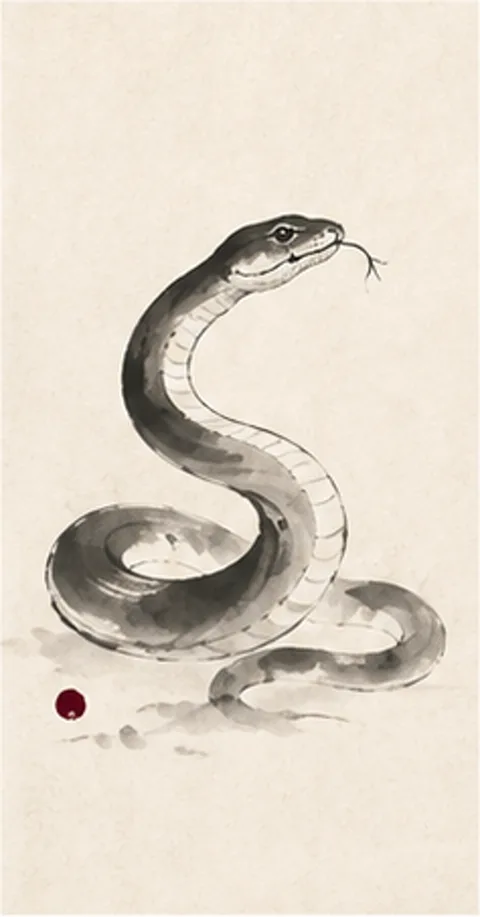 Snake
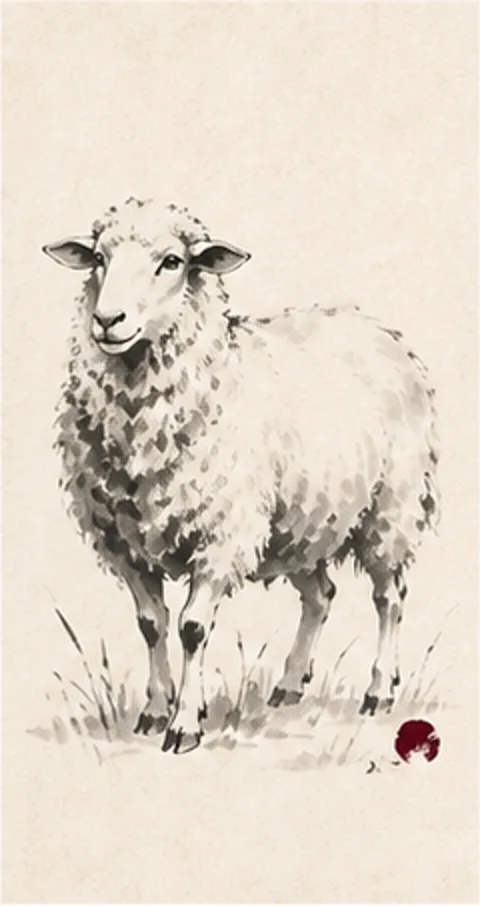 Goat
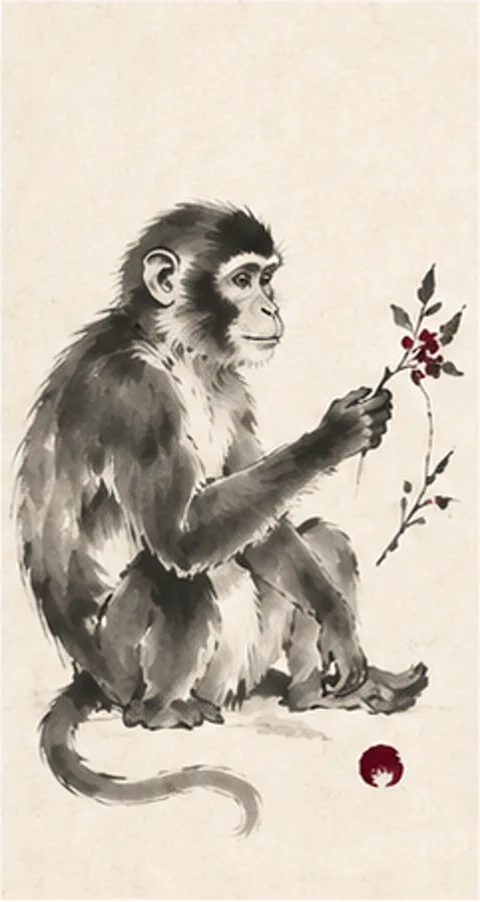 Monkey
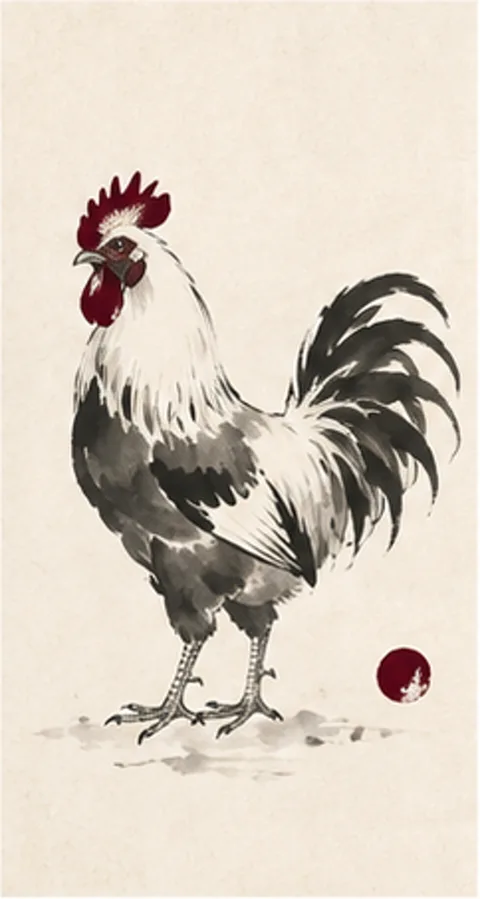 Rooster
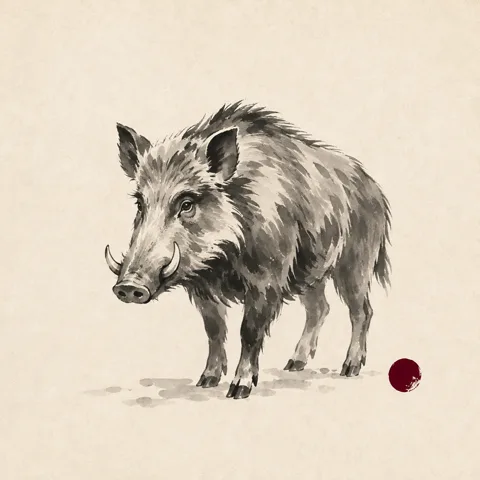 Pig