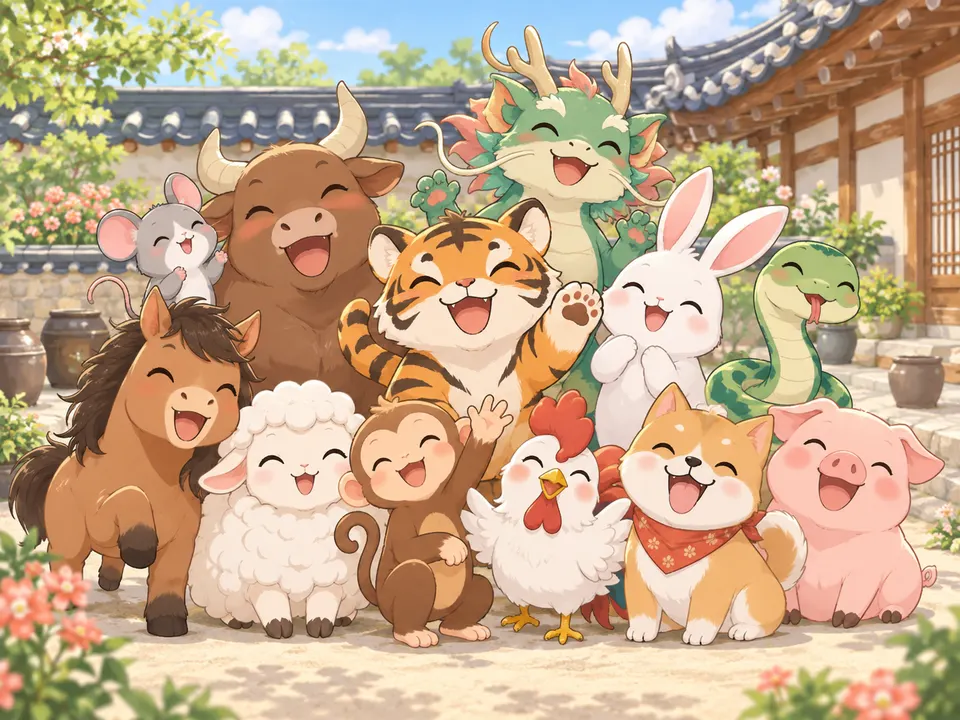
Korean zodiac
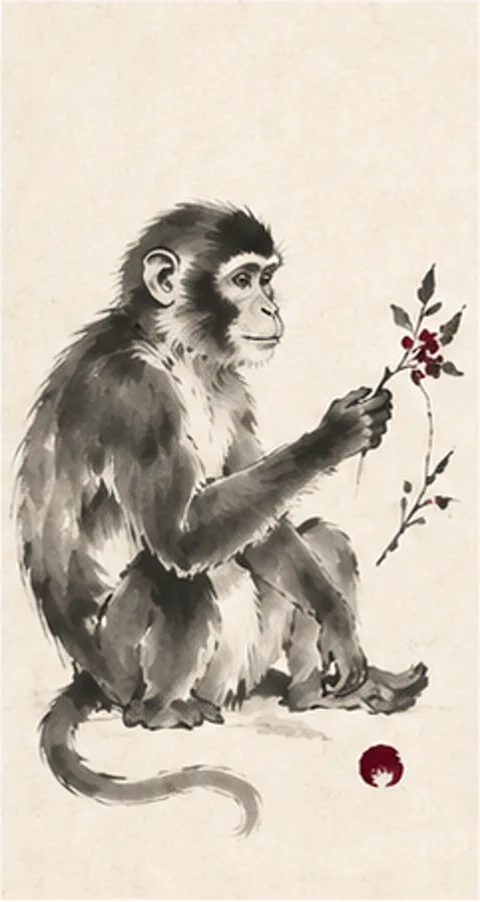
申 Monkey
Clever, playful, and endlessly inventive.
Monkey years make the one who finds the shortcut.
申 (Sin), the Monkey, is ninth in the cycle. It stands for the seventh month of the old calendar, the first month of autumn, and the hours from three to five in the afternoon. Its direction is west by southwest and its element is Metal, the sharp, quick kind. The Monkey is read as wit in motion: it sees the trick, the gap, the faster route. Korea has few wild monkeys, which is why the old Korean name for the sign, 잔나비 (jannabi), survives mostly in the zodiac and in grandparents' speech, and why the Monkey year has long sounded a little exotic to Korean ears.
Take one routine you do the long way and find a shortcut today, then keep it only if it still works tomorrow. Monkey energy is said to show in clever routes, so test yours against the morning after.
Monkey years are traditionally said to sit well with Rat (子) and Dragon (辰), the Water harmony group, and to clash with the Tiger (寅) across the circle. Compare the old pairings with the friends you actually have.
In Korean the Monkey year is 원숭이띠 (wonsungi-tti), and older people still say 잔나비띠 (jannabi-tti). The proverb 원숭이도 나무에서 떨어진다 (wonsungi-do namu-eseo tteoreojinda), "even a monkey falls from a tree," is Korea's gentle way of saying experts make mistakes too.
Monkeys solve what others give up on, with a wink and a shortcut. Witty and curious, they turn problems into games. The caution: seeing a plan through instead of chasing the next shiny idea.
Born in
1932 · 1944 · 1956 · 1968 · 1980 · 1992 · 2004 · 2016 · 2028
The zodiac year turns at 입춘 (early February), not 1 January.
Three-harmony group · Water three-harmony group
What comes easily
You tend to notice changing conditions early and connect people or ideas that others keep separate.
What to watch
Because you can see several routes at once, hesitation or quiet over-planning may delay the first visible step.
One thing to try
Choose one useful opening, name it out loud, and test it before refining the entire plan.
Gets on with
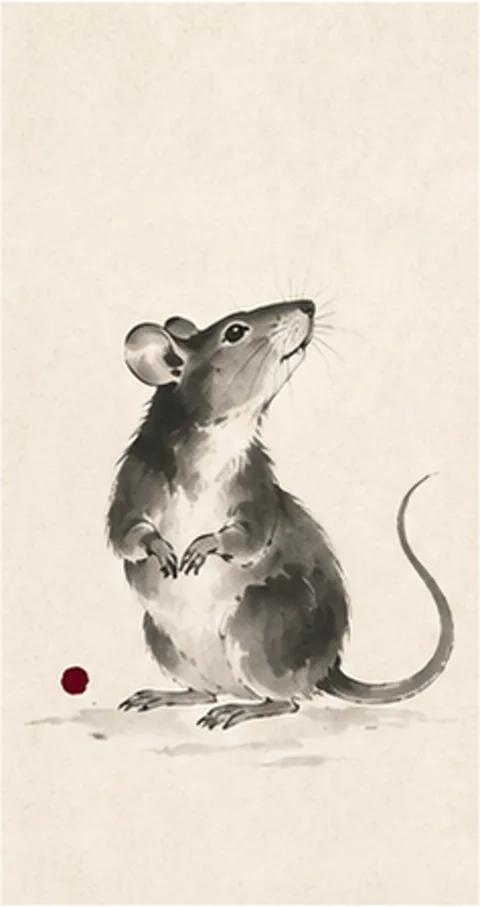 Rat
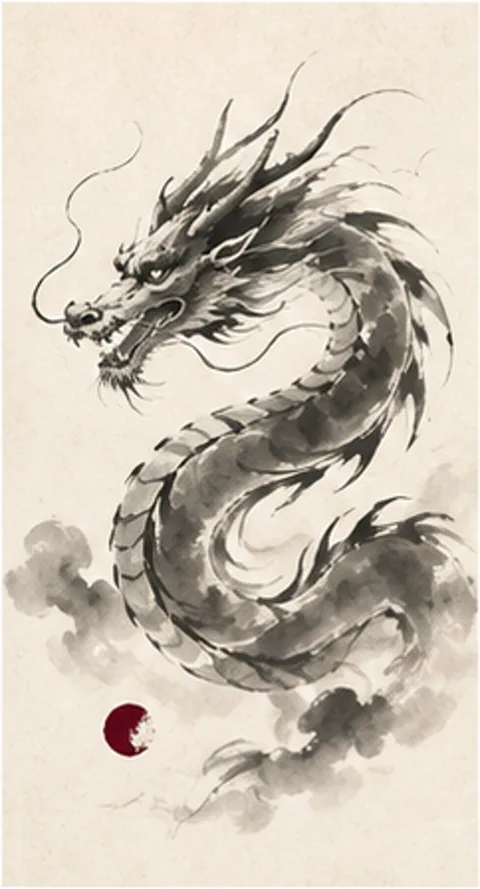 Dragon
Tradition calls this 삼합 (three harmonies): the three animals four places apart on the circle. Rat and Dragon are in your group, so the three of you tend to pull the same way.
Grinds against
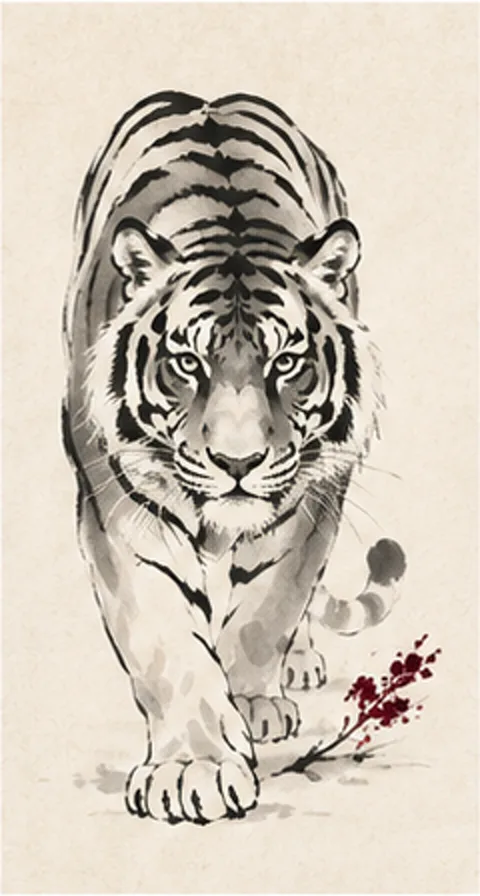 Tiger
This is 충 (clash): the animal straight across the circle, six places away. It does not mean bad luck. It means two different speeds, and things go better when they are talked through.
Idols born in a Monkey year
- 1992
- Jin (BTS)
- 2004
- Rima (NiziU)Minju (ILLIT)JO (&TEAM)Miihi (NiziU)Jang Wonyoung (IVE)Moka (ILLIT)Liz (IVE)
From the members of the 17 groups on the idol birthday page. Members born from 1 January to 20 February are left out: depending on whether the year turns on 1 January, on Seollal or on 입춘, their animal can be the one before.
Whose birthday is closest to yours? → Ox
 Rabbit
 Snake
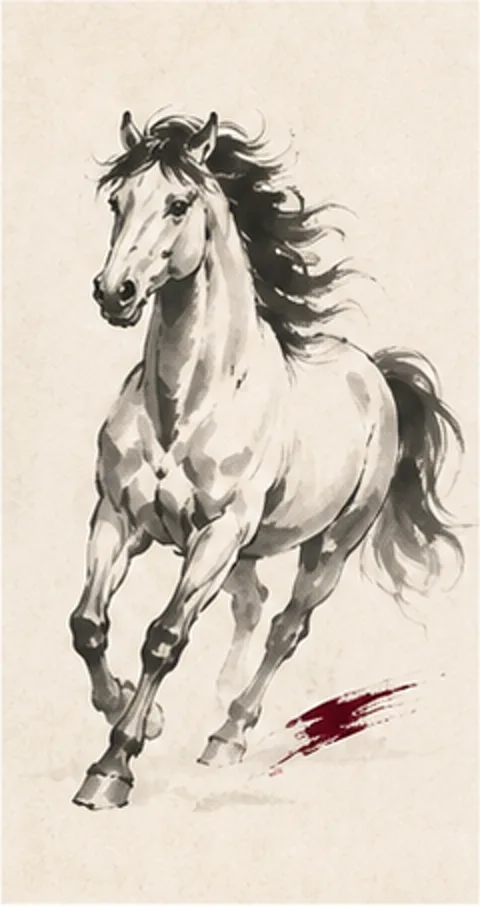 Horse
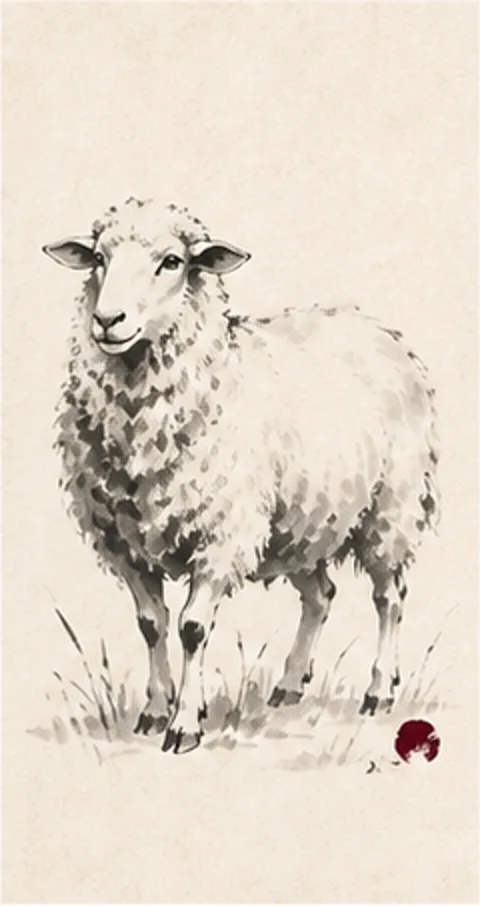 Goat
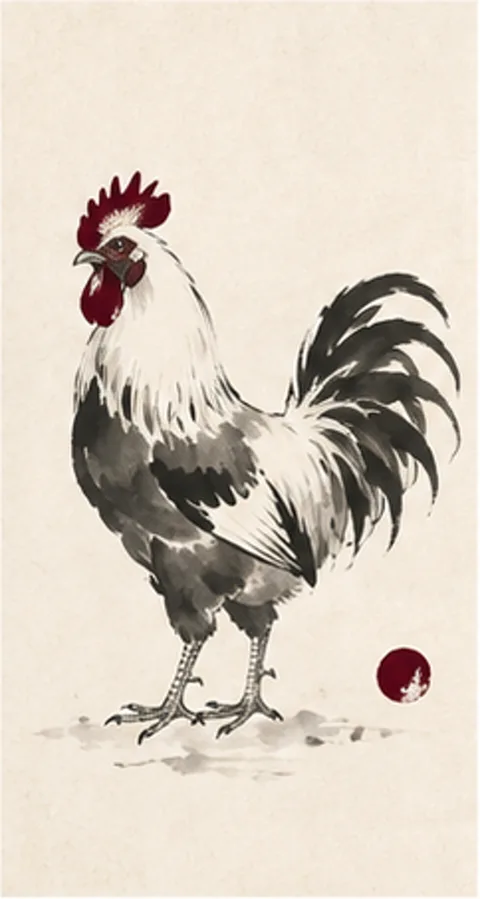 Rooster
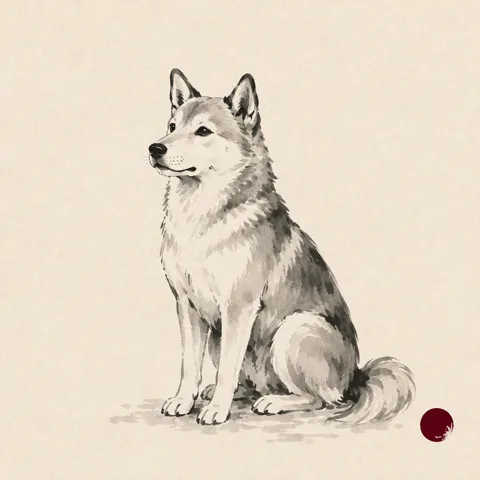 Dog
 Pig